About peptides
A peptide is a short chain of amino acids.
That is the whole idea. This page covers what scientists study peptides for, the chemistry, how a research peptide is made, what “research use only” means, and how to read the label on a Seratide vial.
For research use only. 21+.
GHK · tripeptide
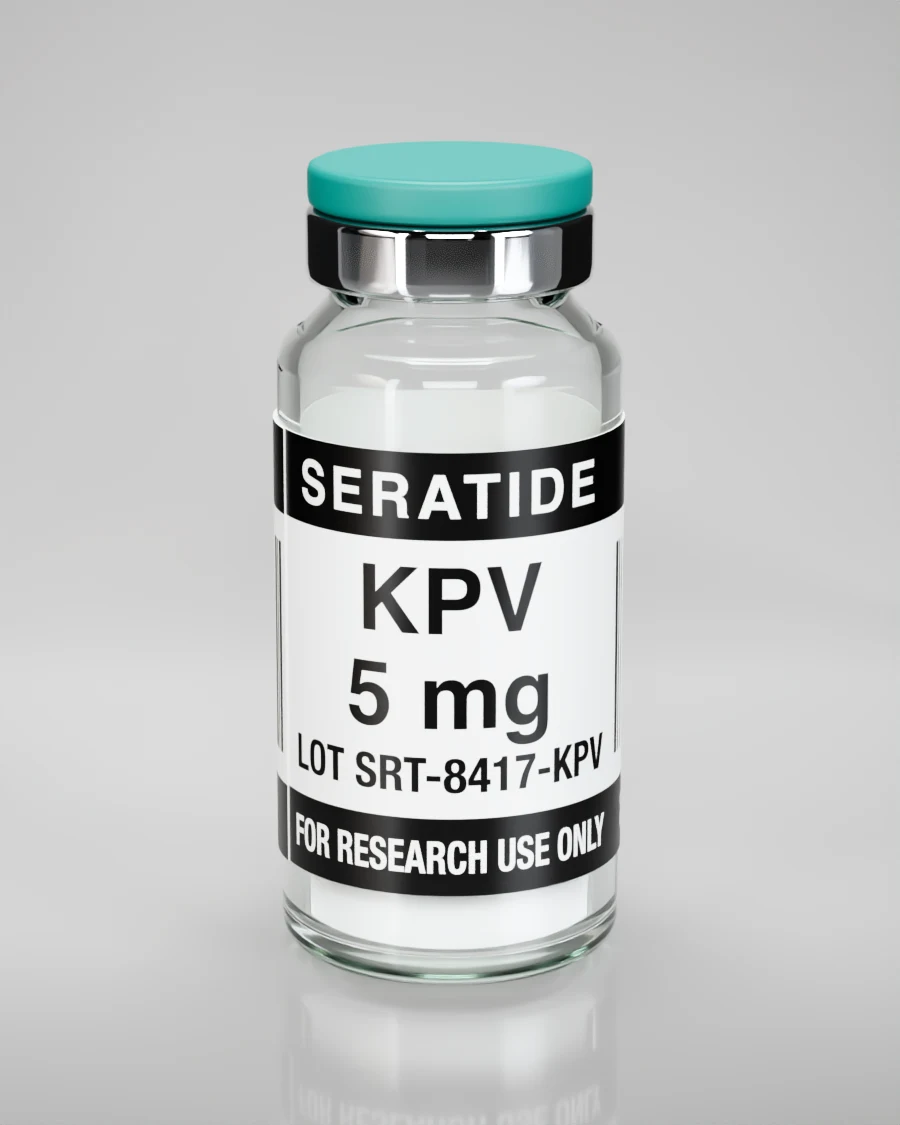
KPV · tripeptide
Each line between residues is a peptide bond. Both chains are catalog compounds.
What people research peptides for
In published lab and clinical studies, researchers use peptides to look at how the body works. These are the four areas our catalog is grouped into.
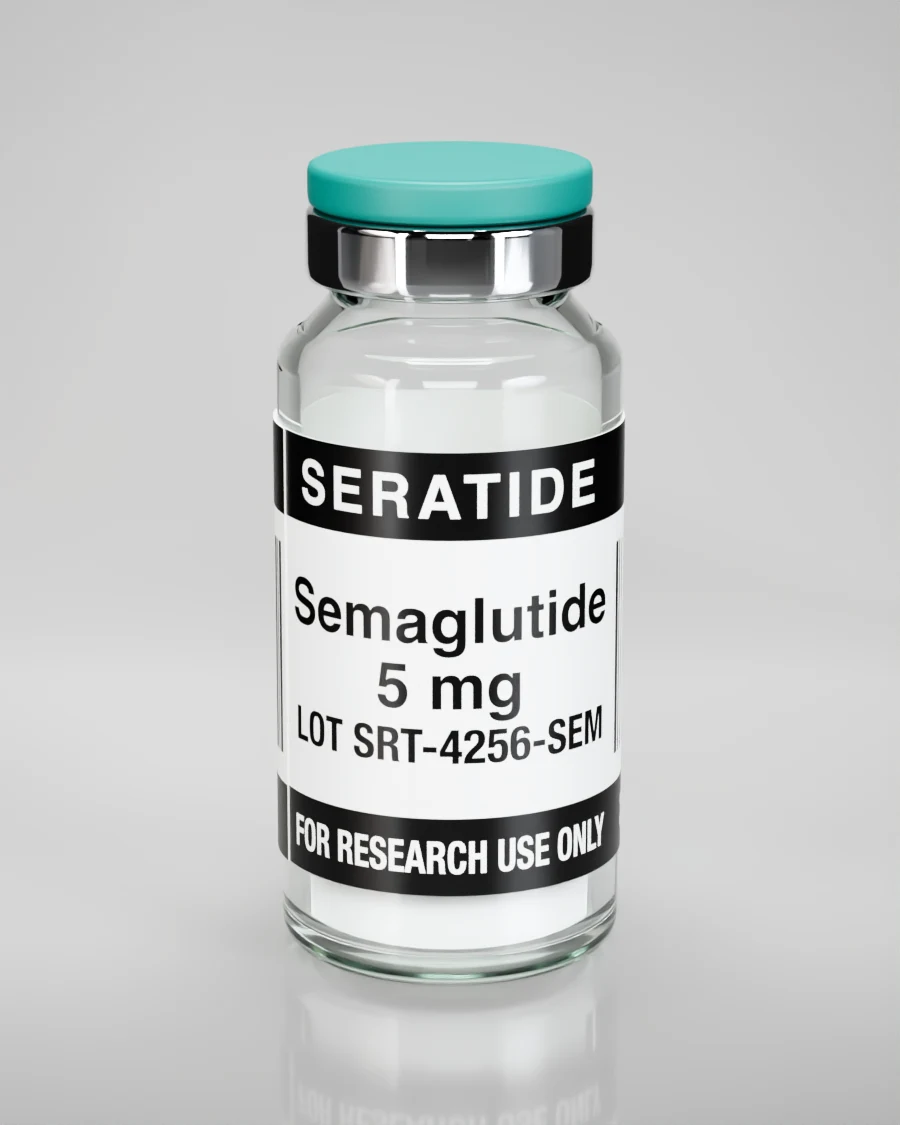
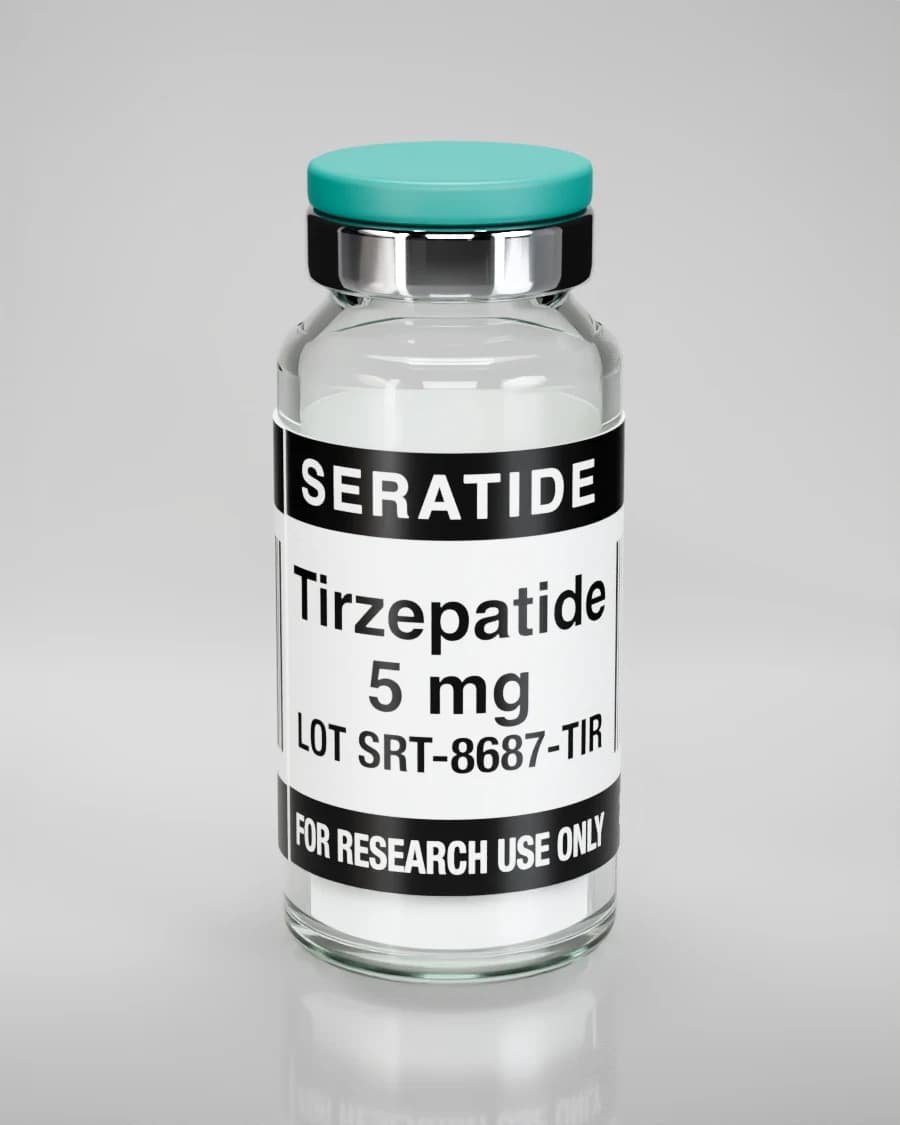
- Metabolic & gut-hormone researchLab-made peptides based on the gut and pancreas hormones GLP-1, GIP, glucagon and amylin, and the receptors they act on.See the 7 compounds
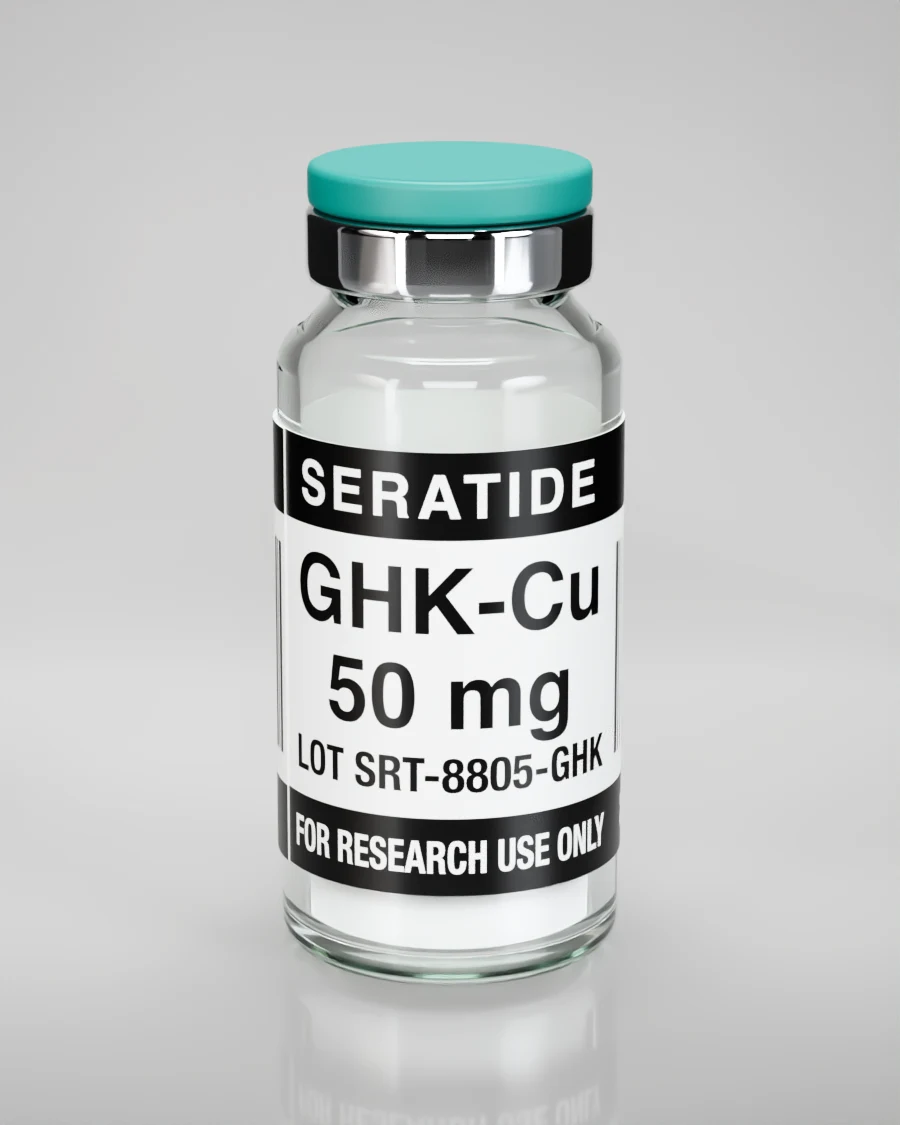
- Tendon, muscle & skin researchResearchers study tendon, muscle, skin and other tissue. Mostly animal studies.See the 3 compounds
- Gut & digestion researchResearchers study the gut lining and transporters in gut cells. Mostly animal studies.See the 2 compounds
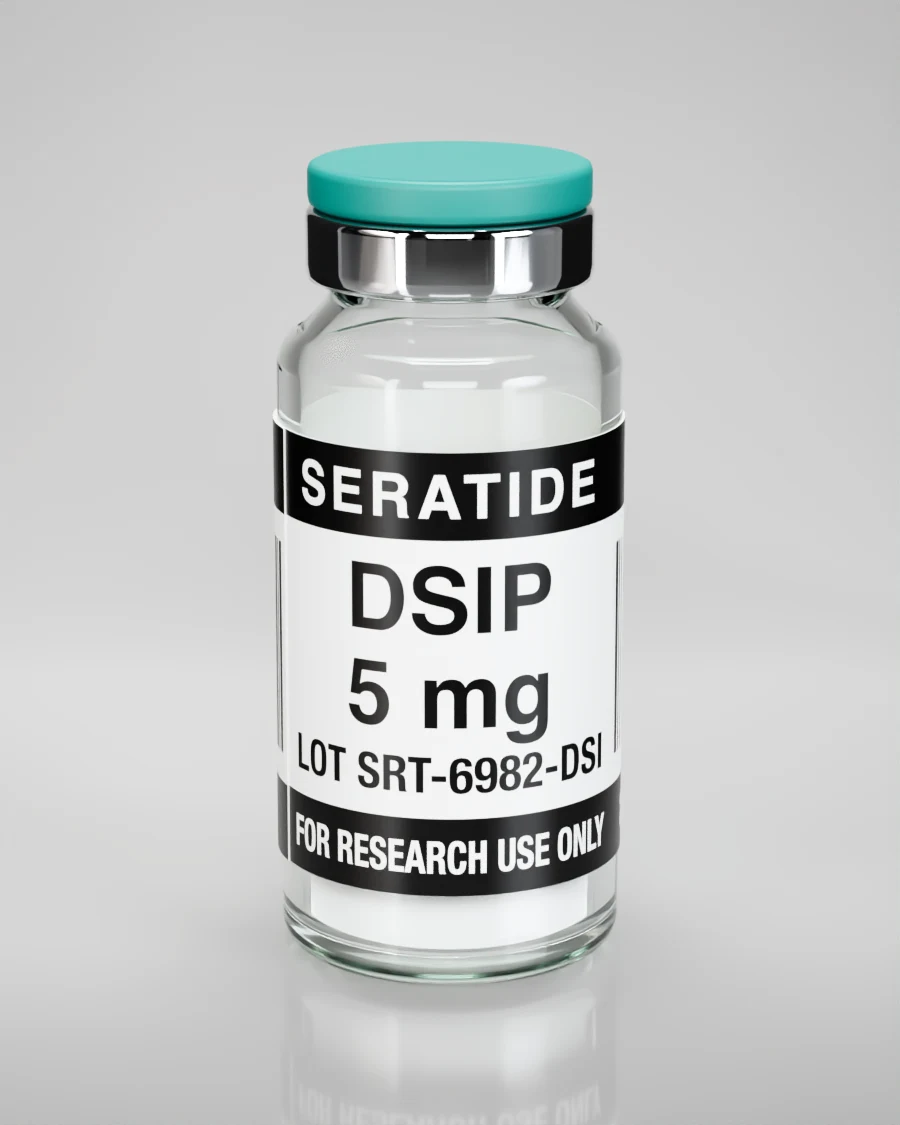
- Pineal & neuropeptide researchResearchers study the pineal gland and DSIP, a short peptide whose receptor has not been found. Early research.See the 2 compounds
This describes published research, not what any vial does. For research use only. 21+.
What a peptide is
Amino acids are small molecules that living things build proteins from. There are twenty common ones. They all share the same core and differ in one small part that sticks out. When one end of an amino acid joins onto the other end of the next, the link is called a peptide bond, and one molecule of water is given off.
Link a handful of amino acids this way and you have a peptide. Chemists usually call a chain of about 2 to 50 links a peptide; longer chains that fold into a set shape are called proteins. The order of the links — the sequence — is what makes one peptide different from another.
Some items we sell are longer (Follistatin, ACE-031, GDF-8, IGF-1 LR3) and are proteins made in cells, not built link by link.
Peptides are sold as a salt (usually acetate or TFA). The salt is part of the weight.
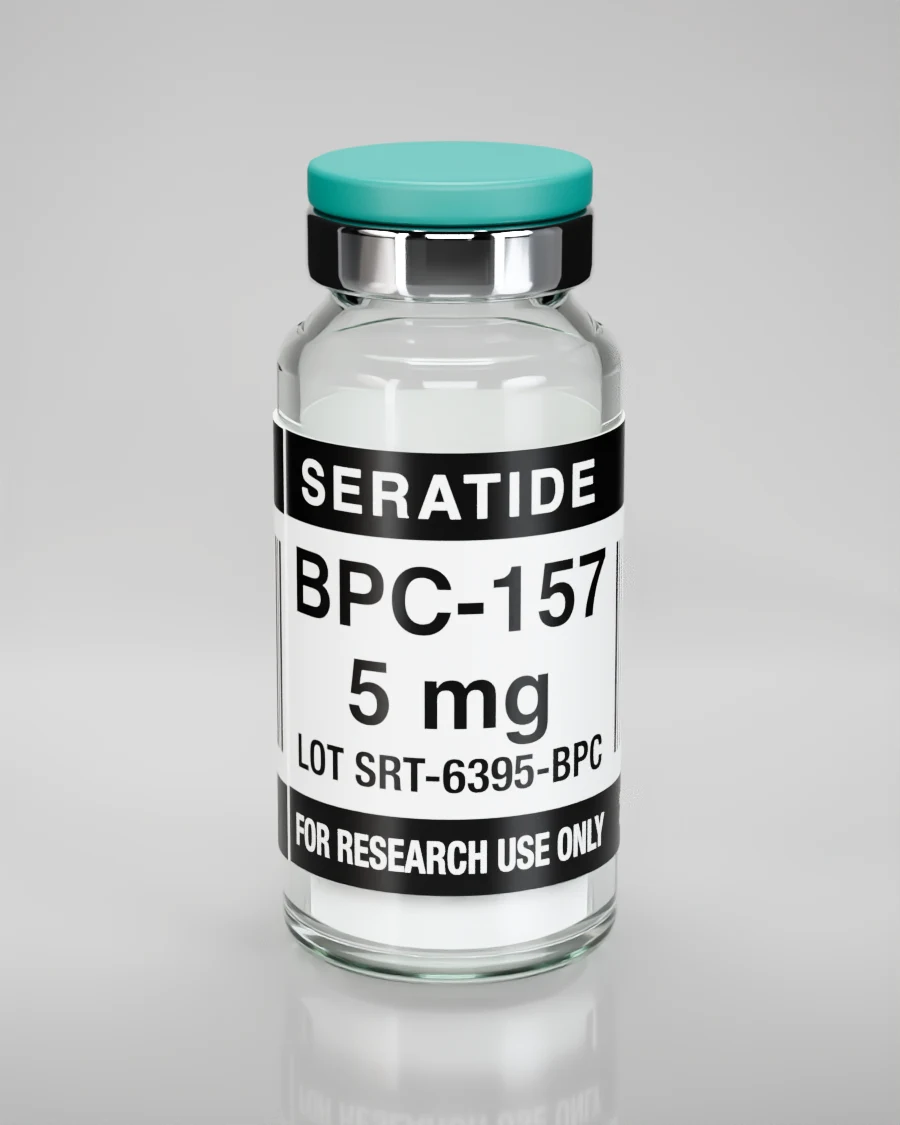
Sequences are written with one letter per amino acid. GHK is glycine, histidine, lysine. BPC-157 is fifteen links long. Some catalog peptides get an extra piece added after they are made — a fatty tail, a copper atom, a sealed end — and the name on the label shows that.
How research peptides are made
Almost every lab-made peptide is built link by link on a tiny bead (chemists call it solid-phase peptide synthesis), then freeze-dried.
- 01
Anchor
The first amino acid is stuck to a tiny plastic bead. The chain is built out from it, one link at a time.
- 02
Add, then repeat
Each new amino acid arrives with a chemical cap on its sticky end, so it can only join in one place. It bonds to the chain, the cap comes off, and the next one joins. One link per round, in the right order.
- 03
Cut free
When the chain is complete, it is cut off the bead and the last caps are removed.
- 04
Clean up
A machine called preparative HPLC separates the finished peptide from chains that came out too short or broken.
- 05
Check
HPLC is run again to measure how pure it is. A mass spectrometer weighs the molecule to check it matches what the sequence should weigh. A third test measures how much of the powder is actually peptide (the rest is water and salt). This is called peptide content.
- 06
Freeze-dry
The pure peptide is frozen, then put under a vacuum so the ice turns straight into vapor. What is left is a dry powder that keeps much longer than a liquid, especially in a freezer, sealed in a glass vial.
What “research use only” means
Research use only (RUO) is how a material is sold, not a grade of quality. An RUO compound is sold for lab research. It is not sold as a drug, food, dietary supplement or cosmetic, it has not been evaluated or approved by the FDA for any use, and it is not for human or veterinary use.
We sell this way because it is what we are: a supplier of research materials. So we describe each compound by what it is — name, type, strength, form — and by what published studies look at, and we do not advise on any use outside the laboratory. Every buyer is 21 or older and confirms at checkout that the purchase is for laboratory research.
For research use only. 21+. Read the full RUO policy
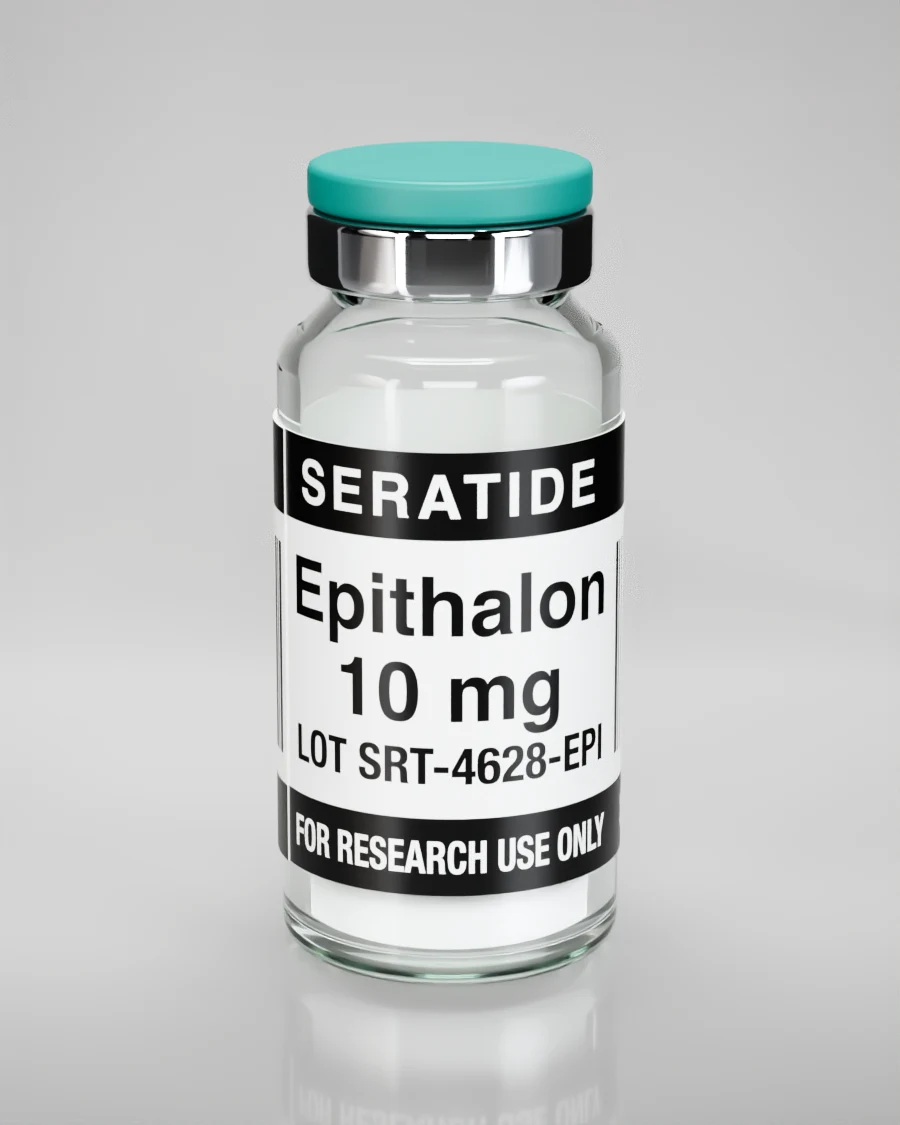
How to read a Seratide label
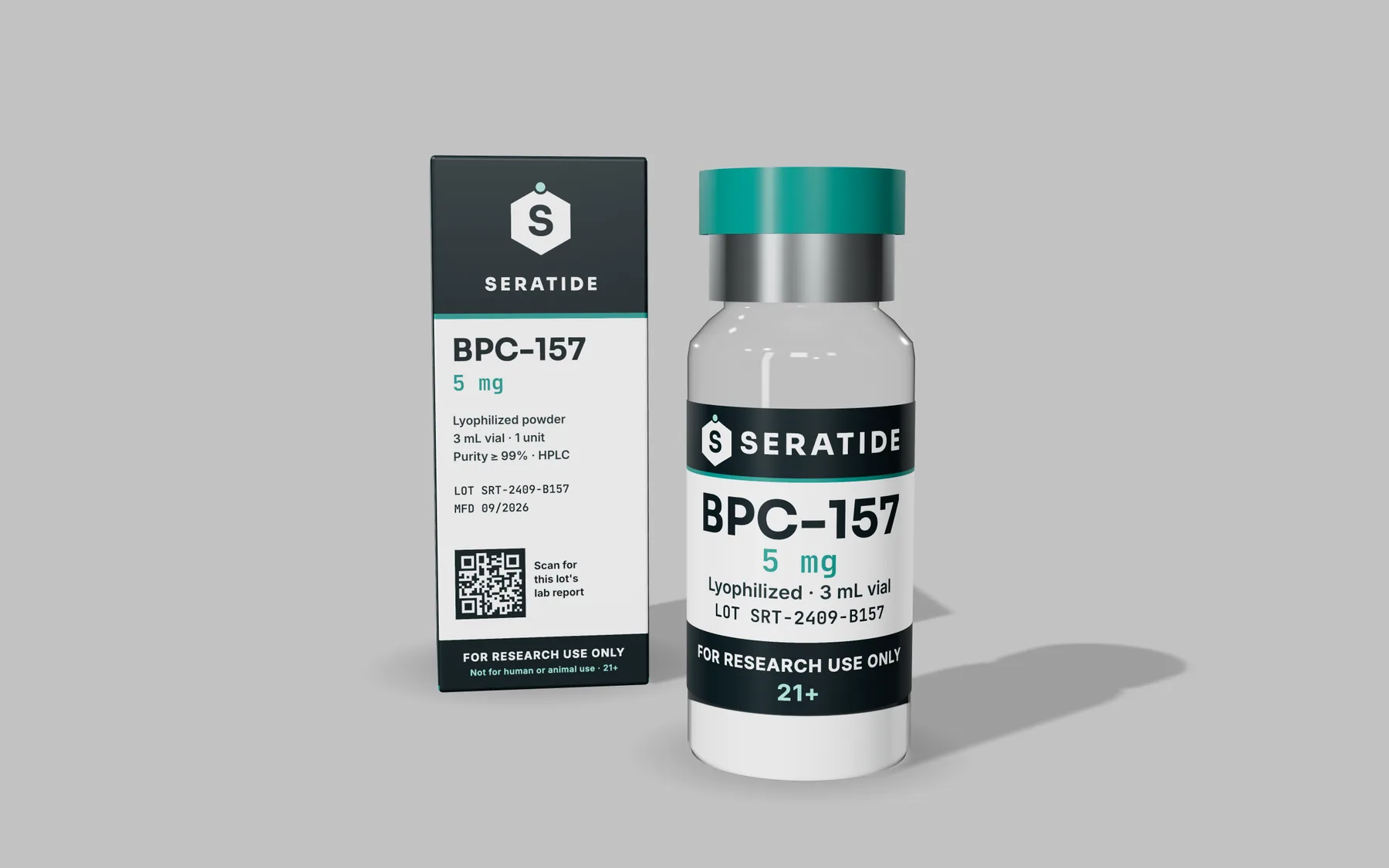
- Compound
- The peptide's name, exactly as it appears in the catalog.
- Strength
- The amount of powder in the vial, in milligrams. The lab report shows how much of that is peptide.
- Form & container
- Lyophilized powder, and the size of the vial it is sealed in.
- Purity spec
- The lowest purity, measured by HPLC, that a lot must reach before we sell it.
- LOT
- The lot number, in the form SRT-0000-XXX. It ties this vial to one batch made at one time. Type it on the Lot lookup page to see that batch's results.
- Research use only · 21+
- Printed on every vial and carton.
The lot record behind the lot number
Type the lot number on the Lot lookup page. The record lists the lot's purity, its peptide content and salt form, the check that it is the right molecule (observed mass against expected mass), its bacterial-toxin test, how it looks, and the test date. The records published today are layout samples that show the format, and are labeled as such; issued laboratory reports replace them as lots are analyzed.
Glossary
The words on a label and a lab report, in plain English. How to keep a vial is in the storage & handling guide.
- HPLC
- High-performance liquid chromatography. A machine pushes the dissolved sample through a packed tube and a light detector draws a trace. Purity is the main peak's share of that trace.
- LC-MS
- Liquid chromatography with mass spectrometry. It weighs the molecule, so the lab can check the observed mass against the mass the sequence should have.
- Lyophilized
- Freeze-dried. The peptide is frozen, then the ice is turned straight into vapor under a vacuum, leaving a dry powder.
- Endotoxin
- A toxin from the outer wall of certain bacteria. It is measured against a limit, in endotoxin units per milligram (EU/mg).
- Salt form
- Peptides are sold as a salt (usually acetate or TFA). The salt is part of the weight.
- Peptide content
- How much of the powder is actually peptide. The rest is water and salt. It is not the same number as purity.
Shop by research area
Compounds grouped by what published studies use them to look at. An area is a way to find a compound, not a statement about what it does.
Or browse every shelf.